
Small-Space Joy: Apartment-Friendly Pet Enrichment

Welcome! Today we’re exploring apartment-friendly pet enrichment that turns limited square footage into a playground for curiosity, calm, and connection. Discover doable ideas for cats, dogs, and small companions, from scent games to clever layouts, while respecting neighbors, schedules, and real-life constraints. Share your wins, questions, and photos—your experience helps this community grow. Subscribe for weekly small-space ideas, battle-tested routines, and creative prompts that keep minds sharp, bodies satisfied, and hearts rested without needing a backyard or boxes of new gear.

Begin With Needs: Energy, Safety, and Comfort

Before adding toys or elaborate setups, observe how your companion actually lives in your apartment. Notice where they rest, how they react to hallway noise, when energy spikes happen, and what resources feel scarce. Enrichment works best when matched to natural rhythms, not simply layered on top of stress. We’ll build routines that respect safety, bite-sized exercise, species-specific instincts, and apartment reality, so your pet can flourish without chaos or clutter overwhelming your home.

Reading Energy Patterns

Track morning and evening surges using quick notes on your phone. You’ll often spot predictable windows where short, focused games deliver huge benefits. Five minutes of nosework before you sit at your desk, or a hallway fetch after dinner, can prevent frantic zoomies. Patterns reveal the sweet spot between stimulation and rest, guiding your choices so enrichment supports recovery rather than creating more arousal than your apartment can comfortably contain.

Micro-Exercises That Matter

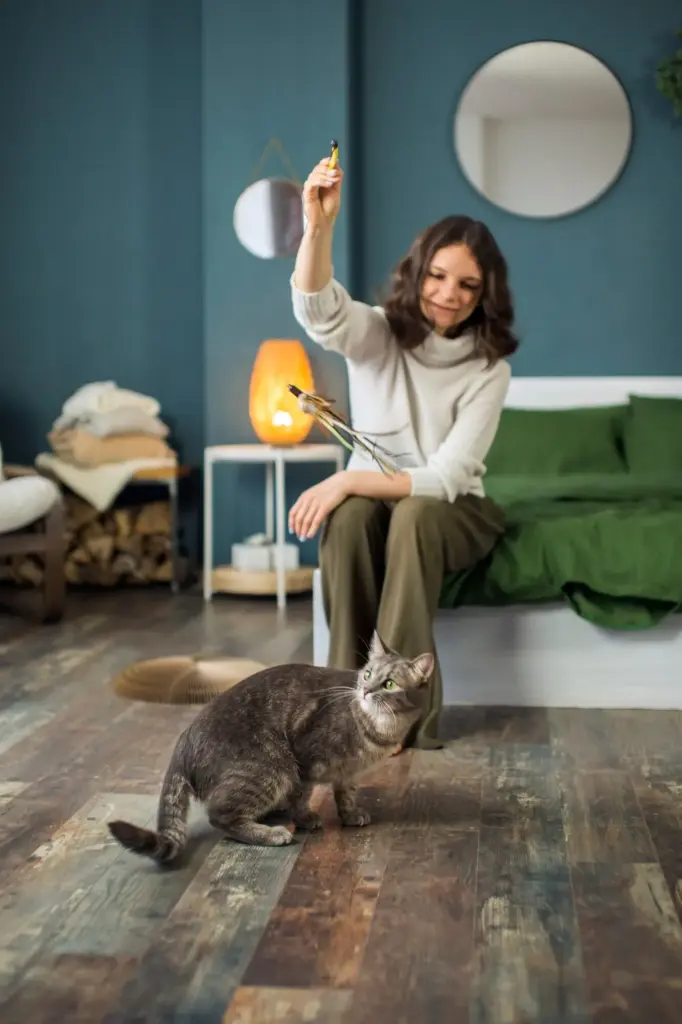
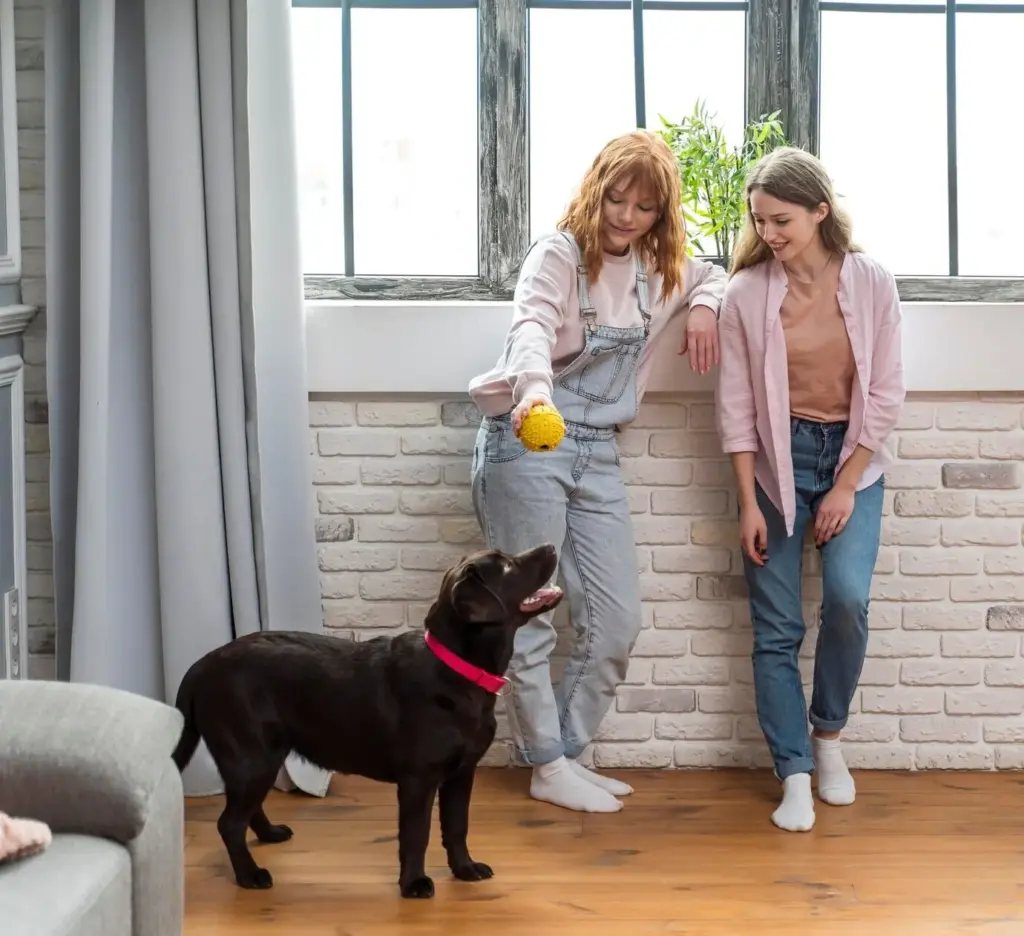
Think in small, precise bursts: two minutes of tug with clean rules, three hallway retrieves, a calm chew on a mat, followed by quiet. Sprinkle these moments throughout the day to mimic natural activity cycles. Use stairs, low-impact stair reps, or slow figure-eights around furniture for controlled movement. Add sniffing intervals between exercises to regulate breathing and reduce adrenaline. These micro-sessions fit work breaks and actually improve focus more reliably than hour-long, overstimulating marathons.

Stress Signals in Tight Quarters

In small spaces, stress whispers. Watch for subtle yawns, lip licks, pinned ears, slowed blinks, air sniffing, or tail carriage changes near the elevator or door. Those tiny cues say, “I need distance or predictability.” Create a decompressing spot using a mat, white noise, and a consistent settle cue. Pair door knocks with tossed treats on the bed to rewire anticipation. Respecting these signals prevents spirals and turns your apartment into a sanctuary rather than a trigger factory.

Vertical Play and Smart Layouts

When floor space is limited, think upward, modular, and foldable. Vertical cat paths, window perches, raised cots, and clever room dividers create purposeful zones without crowding. Non-slip rugs protect joints during short bursts of play while protecting floors. Store toys in rotating bins so novelty stays high. Use tension-mounted solutions where drilling isn’t allowed, and anchor anything climbable. A flexible layout transforms your home into changing chapters of curiosity, safety, calm, and joyful exploration.

Cat Highways Without Drilling

Tension-mounted poles with platforms, sturdy adhesive shelves with known load ratings, and window hammocks can create enticing routes without holes. Link step-stools or a folded ladder to form gentle gradients for seniors. Add a low-profile scratching board near each landing to redirect excited claws. Rotate access by closing bedroom doors some days and opening them others. The experience changes without buying more furniture, while your cat’s confidence and balance thrive in a safe, supervised environment.

Dog Zones That Calm the Mind

For dogs, create a dedicated calm zone using a raised cot, soft boundary markers, and a predictable settle cue. Position near but not directly facing doors or windows to reduce watchfulness. A privacy screen or bookcase placed cleverly can block visual triggers. Use non-slip runners along the hallway to support low-impact fetch. Layer this with a basket of chew options and a short, practiced relax routine. Clear signals and familiar boundaries reduce decision fatigue dramatically.

Storage That Invites Spontaneous Play

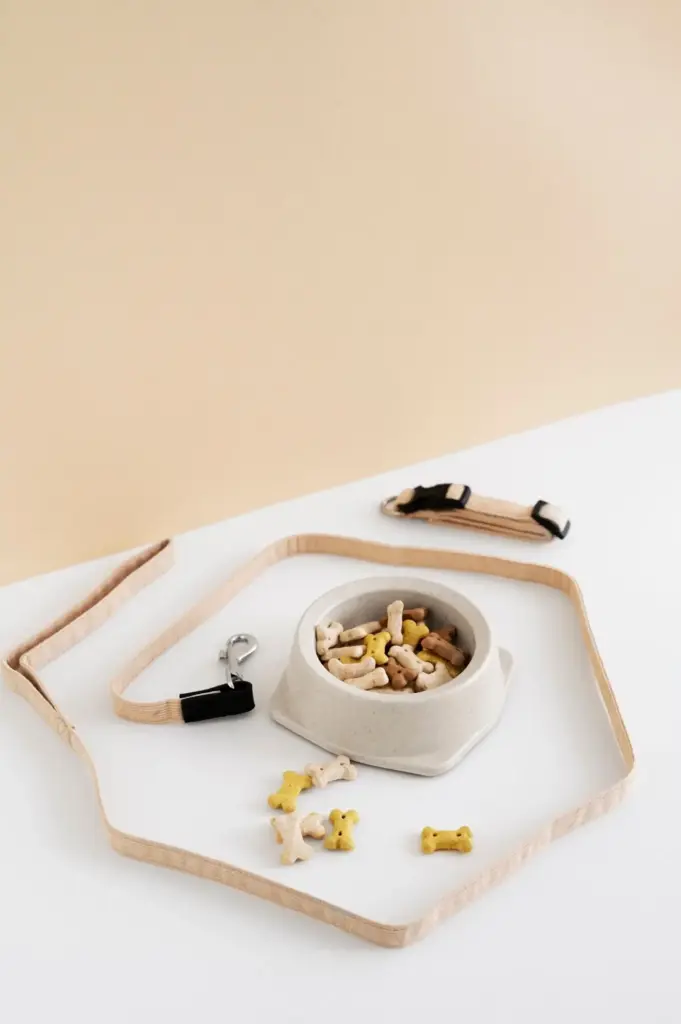
Place a toy basket within your pet’s line of sight, but rotate contents weekly to restore novelty. Label bins by category—chews, puzzles, fetch, quiet sniffs—so you can grab the right challenge in seconds. Use an over-the-door organizer for leashes, clickers, and wands to save floor space. Keep a mini “reset kit” nearby: towel, wipes, quick treats, and a mat. With friction reduced, you’ll say yes to micro-play moments more often, and consistency skyrockets.

Scent and Foraging Adventures Indoors
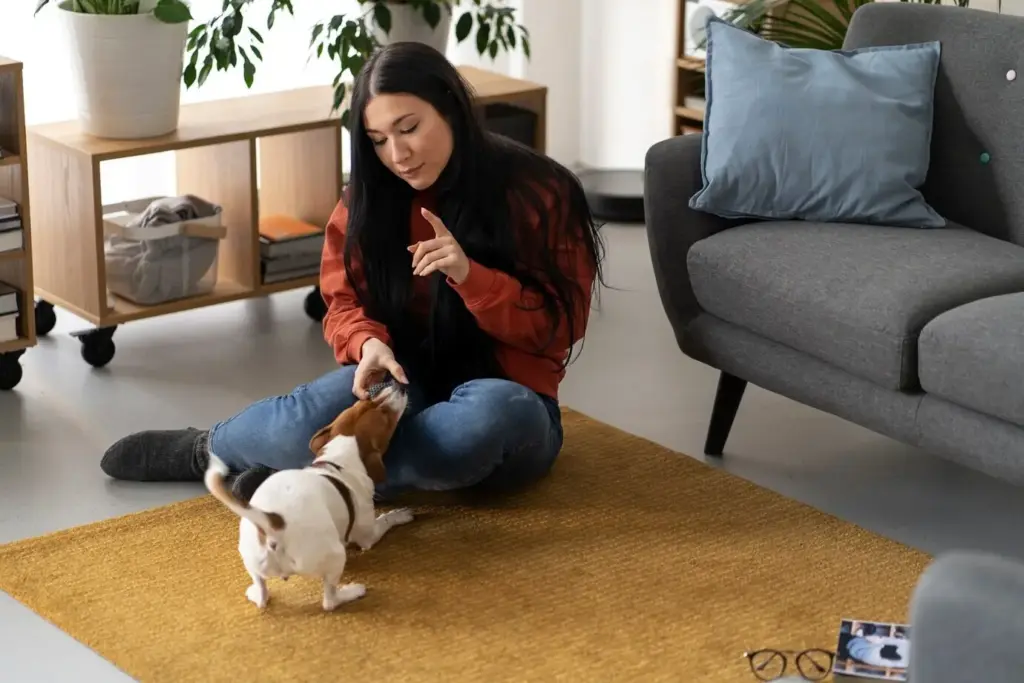
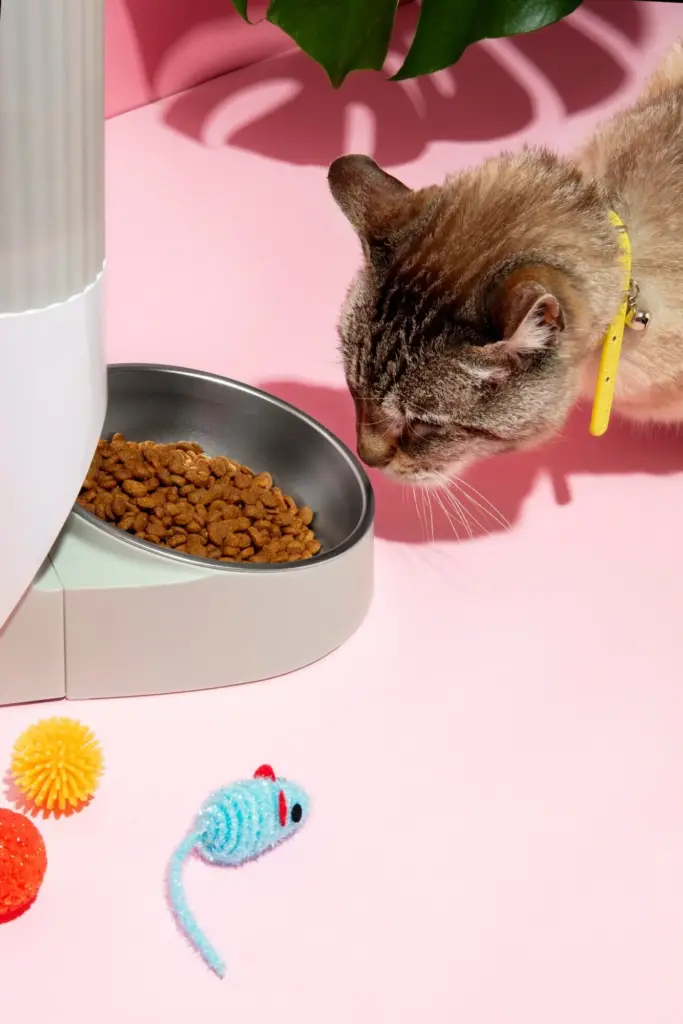
Scentwork transforms small apartments into vast worlds of discovery. Meals become missions through snuffle mats, scatter feeds, and cardboard trails, tapping ancient instincts and soothing busy minds. Start easy, keep hides fair, and prioritize hygiene so tiny spaces stay fresh. Vary textures, heights, and locations while tracking difficulty. Celebrate slow, methodical searching rather than frantic racing. With thoughtful progression and smart safety checks, sniff-based activities deliver deep satisfaction without demanding extra square footage or loud, high-arousal play.

Brain Games and Training That Fit a Studio

Short, playful training sessions can transform impulse control and confidence in tiny homes. Five minutes of clicker shaping, targeting, or trick practice twice daily adds structure without chaos. Prioritize low-impact movements and quiet reinforcement that won’t disturb neighbors. Use mats to define training zones and capture calm between reps. Keep cues consistent, rewards tiny, and criteria clear. Bite-sized education becomes daily enrichment, building fluent communication that helps during deliveries, elevator rides, and those surprise hallway encounters.

DIY and Budget-Friendly Enrichment

Great enrichment does not require endless shopping. Combine safe recyclables, kitchen staples, and careful supervision to build engaging challenges quickly. Inspect materials for sharp edges, choking hazards, and dyes that could stain floors or fur. Keep variety high and sessions short, favoring quality over quantity. Swap ideas with neighbors or friends online to discover fresh twists that fit your apartment rules. With smart safeguards, homemade projects become cherished rituals that deepen connection without straining wallets.

Recyclables With Safety Checks

Transform toilet paper rolls into treat tubes, nest them in a shoebox, and cover with a towel for layered difficulty. Check for staples, tape strings, or brittle plastic. Choose sizes that match your companion’s mouth to prevent accidental swallowing. For small animals, use untreated cardboard only. Replace pieces once chewed soft. Supervise, praise curiosity, and tidy immediately. Simple materials plus thoughtful oversight deliver rich exploration while keeping your apartment tidy, safe, and delightfully resourceful.

Freezer Projects for Calm Evenings

Prep lickable projects that extend relaxation: smear a lick mat with diluted pumpkin, yogurt, or broth, then freeze. Layer kibble with a thin gravy of water and canned food for graduated difficulty. Offer post-walk to taper energy gently. Check sodium levels, avoid xylitol, and size portions responsibly. A chilled chew transforms restlessness into steady licking, encouraging self-soothing rhythms perfect for neighbor-friendly nights. Keep a labeled freezer bin so weeknights always have ready-to-go calm in a tray.
Design a Week That Breathes

Alternate high and low days to avoid burnout. Pair challenging sniff sessions with next-day decompression walks or mellow chew time. Keep a rain plan ready: indoor scatter feeds, mat training, and a short massage count. Use a simple journal to record mood, energy, and standout successes. This bird’s-eye view prevents over-scheduling, highlights what truly works, and frees you to say no without guilt. Consistency creates confidence, and confidence opens the door to deeper, calmer fun.

Building a Friendly Support Circle

Connection matters in small places. Trade puzzle toys with a trusted neighbor, schedule brief hallway greetings with stable, friendly dogs, or coordinate quiet hours to prevent stacked triggers. Consult a credentialed trainer for tailored micro-routines that respect apartment rules and your pet’s personality. Join local groups that share safe indoor activities. When life gets hectic, a reliable backup walker or sitter preserves routines, preventing regressions. Community turns constraints into collaboration, and everyday progress feels pleasantly, proudly shared.
Zekexolokeparenoluvifa
Privacy Overview

This website uses cookies so that we can provide you with the best user experience possible. Cookie information is stored in your browser and performs functions such as recognising you when you return to our website and helping our team to understand which sections of the website you find most interesting and useful.