
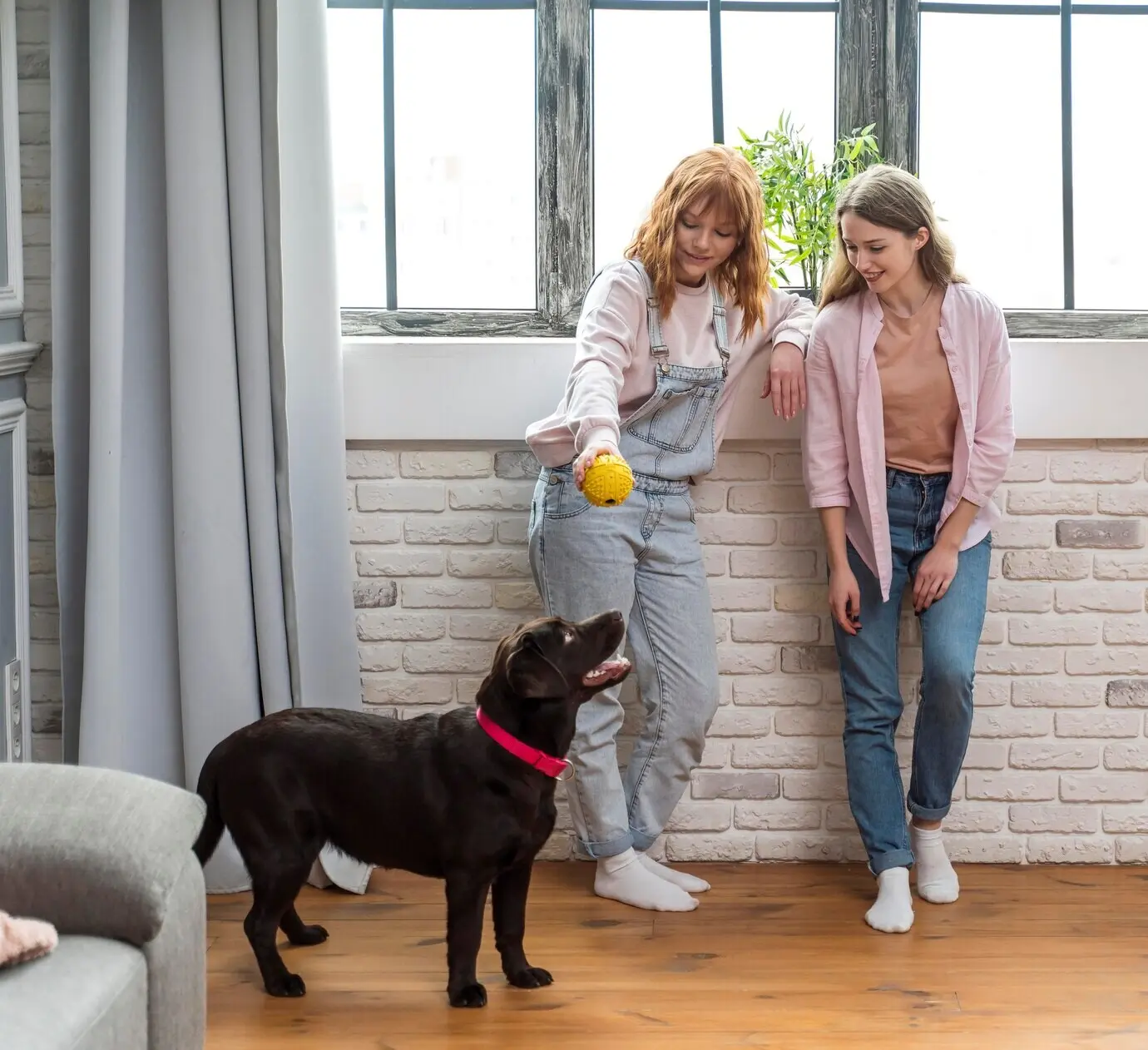
Smart Play in Small Places: DIY Puzzle Feeders and Scent Trails

Today we dive into DIY puzzle feeders and scent trails for tight spaces, showing how apartment dwellers and tiny-home families can transform limited square footage into rich, safe, and exciting daily adventures. Expect practical builds, science-backed tips, and creative layouts that fit behind sofas, along hallways, or even inside cabinets. Whether you live with a dog, cat, or both, you will find compact solutions that boost confidence, burn mental energy, and nurture a calmer, happier companion.

Why Enrichment Matters When Floor Space Is Precious

Limited room does not mean limited life. Mental work through puzzle feeders and scent trails taps into natural foraging instincts, offering gentle exercise for joints and steady stimulation for brains. In tight homes, structured searching reduces boredom barking, evening zoomies, and destructive behaviors without needing big yards. Think of it as a daily puzzle that satisfies curiosity, strengthens resilience to change, and helps pets unwind. When your space is small, the right activity plan makes every step feel bigger and more meaningful.

The Science of Calm Through Nose and Brain
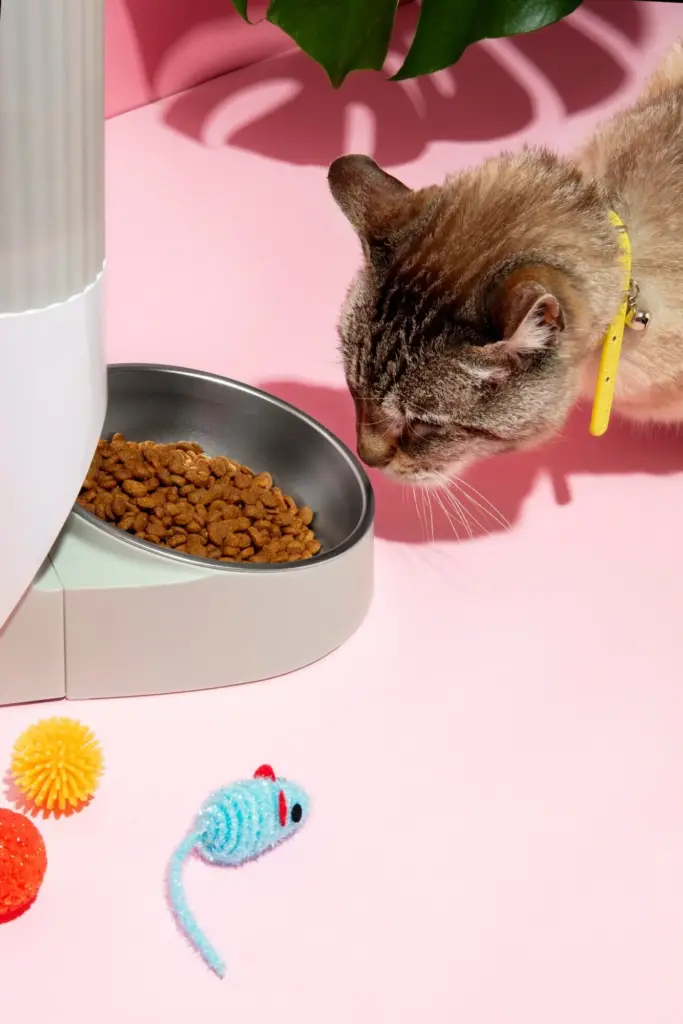
When dogs or cats sniff, heart rates drop and breathing becomes more rhythmic, nudging their nervous systems toward balance. Short, focused problem-solving triggers small wins, releasing rewarding neurochemistry that builds optimism. Over time, the brain learns that calm effort brings good outcomes, even in cramped environments. That confidence spills into other moments, like quiet elevator rides, visitors passing the door, or sudden hallway noises. The result is steadier behavior and a pet who recovers faster from everyday stress.

Reading Signals That Show Your Plan Is Working
Look for softer eyes, looser tails, and a more deliberate pace when searching. Between rounds, many pets choose to rest instead of pacing or pestering. Mealtimes become thoughtful, not frantic. Cats may groom after success and nap in visible spots. Dogs show fewer attention grabs and greet politely. You’ll also notice quicker engagement when you cue a game, but less frustration when you pause. These subtle changes, observed over a week, reveal deep improvements no measuring tape could capture.

Compact Puzzle Feeders: Safe Builds From Everyday Materials

You do not need a workshop to craft sturdy, space-smart feeders. Repurposed spice jars, silicone ice molds, cardboard tubes, and snap-top containers stack neatly and store invisibly. Focus on food-safe surfaces, rounded edges, and silent or soft-touch parts to protect floors and neighbors’ nerves. Modular designs slip onto shelves, under sofas, or inside crates. You can scale difficulty by adding flaps, sliders, or layered compartments. With routine cleaning, these tools become durable companions for daily, low-clutter enrichment.

Materials That Work Hard Without Taking Space

Choose silicone molds, BPA-free plastics, small locking containers, felt strips, and cardboard dividers. Add non-slip pads cut from yoga mats to protect surfaces and anchor movement. For cats, prefer quiet textures and narrow openings that reward paw dexterity. For dogs, ensure venting holes for scent release and easy airflow. Skip brittle plastics, loose magnets, and harsh glues. Recyclables shine when edges are taped and seams smoothed. Store finished modules in a single shoebox to keep your living area tidy.

Gradually Scaling Difficulty for Different Mouths and Paws

Start with open cups and loosely covered lids so success comes fast. Then introduce sliders, holes sized just wider than kibble, and flaps that require gentle lifting. For cats, encourage paw work with staggered depths and felt tassels. For dogs, add wobble bases, removable dowels, and soft drawers. Always raise difficulty after two or three easy wins, not before. Keep treats high value early, then blend in routine kibble. The aim is structured curiosity, never exasperation or quitting.

Safety, Cleaning, and Quiet Operation in Shared Buildings

Round every corner, secure every lid, and test for snags with a cotton swab. Wash food-contact surfaces with fragrance-free soap, and dry thoroughly to avoid odors that confuse scent work. If neighbors are sensitive, choose fabrics and silicone to dampen clatter. Avoid essential oil residues that may linger on materials, especially around cats. Replace weakened cardboard before it collapses. Keep a small repair kit—tape, scissors, spare pads—so upkeep stays easy. Quiet, clean, and dependable builds keep everyone happy.

Scent Trails That Fit Hallways, Corners, and Vertical Surfaces
Scent work thrives even in narrow corridors. By layering mild odors, using airflow wisely, and rewarding at strategic checkpoints, you create journeys that feel adventurous without sprawling. Short routes can be surprisingly complex when you include turns, height changes, pauses, and micro-puzzles. Always start with clear, simple success and fade your guidance as your companion gains confidence. The hallway, doorframes, chair legs, and bookshelf edges become a living map where exploration feels natural, safe, and irresistibly rewarding.

Choosing Safe, Approachable Scents for Dogs and Cats

For dogs, use kibble dust, tiny cheese crumbs, diluted hydrosols, or professional nosework birch solutions handled carefully. For cats, lean on catnip, silvervine, bonito flakes, or tuna water dabs rather than essential oils, which can be risky. Start faint and increase slightly only after easy wins. Place micro-rewards along the way so the scent journey feels progressive. Always test on a cloth first to ensure no irritation. Respect preferences: if a smell causes avoidance, switch to a gentler alternative promptly.

Using Airflow and Height to Create Layers Without Mess

Hallways pull air toward door gaps and vents, creating invisible rivers of scent. Set markers at ankle level and shoulder height using clothespins, painter’s tape, or magnetic clips. For cats, include shelf edges and chair spindles that invite paw reaches. For dogs, trail along baseboards, then step upward to doorframes. Keep drops tiny, rewards smaller, and final jackpots generous. The goal is clarity, not saturation, so the nose makes decisions confidently. Clean with mild soap after sessions to reset the stage.

First Sessions: Confidence, Pacing, and Reward Timing

Begin with a straight, short line from start to jackpot, speaking softly and moving slowly behind your pet. Mark small investigations with quiet praise, then feed at nose height. End before fatigue appears, even if enthusiasm remains high. Next rounds can add one turn, a short pause, or a tiny height change. If puzzlement surfaces, simplify immediately and celebrate renewed progress. The memory you want is achievable curiosity, not overwhelm. Two or three crisp wins daily beat one long struggle.

Layouts for Studios: Stations, Rotations, and Speedy Setups

Think modular. A few compact stations, each with a distinct mechanic or scent presentation, can cycle through the week and feel endlessly new. Use painter’s tape to outline placement, then stash everything in labeled pouches. Fast resets keep routines sustainable on busy days. By anchoring one station near the door, one at mid-room height, and one tucked behind furniture, you build routes that loop naturally. Consistency, tiny variations, and simple storage turn a studio into a reliable enrichment circuit.

Training Progression and Troubleshooting in Close Quarters
Progress happens when challenges stretch, not snap, confidence. In tight homes, clarity is kindness: simple starts, visible wins, and short sessions. If frustration appears, lower difficulty, enrich the scent trail, or increase reward frequency. Watch body language closely; small spaces magnify emotions. Celebrate micro-milestones and end early on tough days. When you design for gentle momentum, skills stack quickly—better self-control at the door, polite greetings, and smoother alone time. Your daily routine becomes the teacher, your apartment the supportive classroom.

Tiny Homes, Big Wins: Real-Life Transformations

Stories reveal how small interventions change daily life. Short, thoughtful routines soothe anxious pacing, redirect loud play, and build focus under everyday distractions like deliveries and street noise. With consistent practice, evening chaos becomes a predictable search, solve, and settle sequence. Busy humans appreciate the minimal setup and easy cleanup; pets relish choice and meaningful work. Over weeks, curiosity matures into capability. These vignettes highlight how ordinary materials, arranged with care, can reshape behavior and deepen bonds inside modest walls.

01

The 300-Square-Foot Dog Who Learned to Exhale

Milo barked at every hallway footstep and spun at sundown. His person added a two-turn scent path from the door to a wobble feeder and finally a cushioned jackpot mat. Within ten days, evening spinning faded. By three weeks, delivery knocks triggered quiet searching instead of frenzy. The apartment did not grow, but Milo’s decisions did. Now he naps after sessions, breathing slow and deep, proof that structured sniffing and puzzles can transform tension into practiced calm, even in pocket-sized homes.

02

A Senior Cat Rediscovers Measured Adventure

Luna, thirteen, ignored toys yet raided counters at night. Her human built felt-pocket feeders on a narrow bookshelf and sprinkled silvervine along alternating shelf edges. Sessions lasted five gentle minutes, twice daily. Luna began choosing the shelf over the sink, pawing with intent, then settling nearby to groom. Vet visits reported better weight control and improved mobility from micro-movements. The house felt new without rearranging furniture, and their routine turned into quiet companionship anchored by thoughtful, cat-respectful exploration.

03

Busy Owner, Micro-Sessions, Macro Results

Jae worked long shifts and dreaded elaborate setups. A labeled pouch system changed everything: ninety-second deployment, seven-minute loop, two-minute cleanup. Their herding mix, Echo, shifted from restless pacing to purposeful sniffing, puzzle focus, and quick naps. On overtime days, Jae ran one station and still saw positive behavior. Echo’s leash greetings softened, and crate time became easier. The takeaway was clear: consistency beats complexity. Tiny rituals, faithfully repeated, can move mountains inside apartments—and they fit real schedules without guilt.

Join the Journey: Share Builds, Compare Trails, Grow Together

Community helps ideas multiply while keeping experiments safe and kind. Share your compact designs, scent choices, and rotation schedules so others can adapt them to different pets, climates, and floor plans. Ask questions about troubleshooting, celebrate small wins, and swap fast weeknight routines. We welcome videos, diagrams, and material lists. Your experiences create a library that evolves with new insights. Subscribe for upcoming challenges, tiny-space maps, and expert Q&As, and tell us what problems you want solved next.
Zekexolokeparenoluvifa
Privacy Overview

This website uses cookies so that we can provide you with the best user experience possible. Cookie information is stored in your browser and performs functions such as recognising you when you return to our website and helping our team to understand which sections of the website you find most interesting and useful.